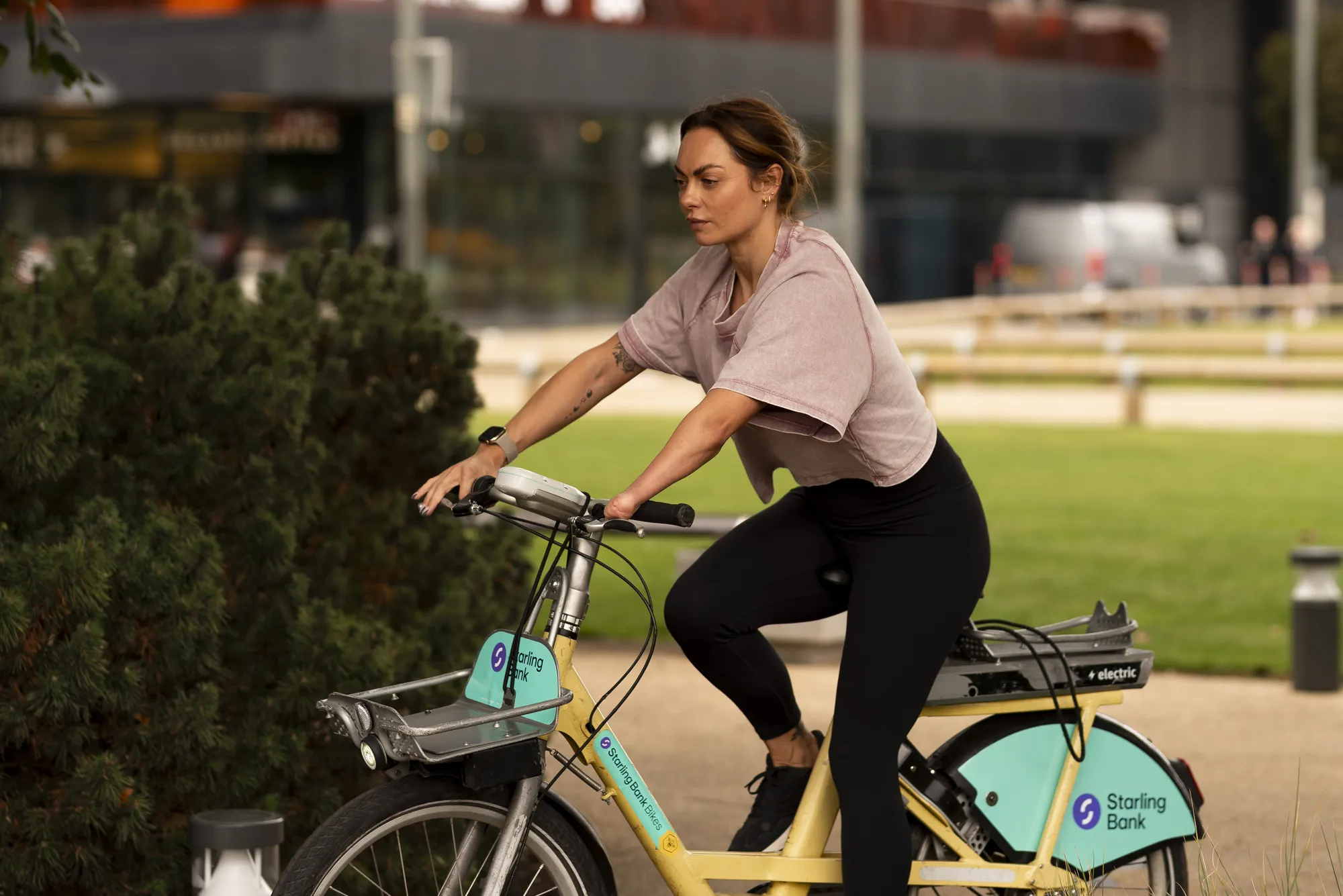
Bike share is any scheme where bikes or e-bikes are available to multiple users.
The most common model of this in the UK is public bike share where bikes or e-bikes are provided self-service on-street at docking or parking stations or 'dockless' i.e. free-floating.
Other forms are workplace pool bikes, railway station hubs, loans, lockers and peer-to-peer sharing.
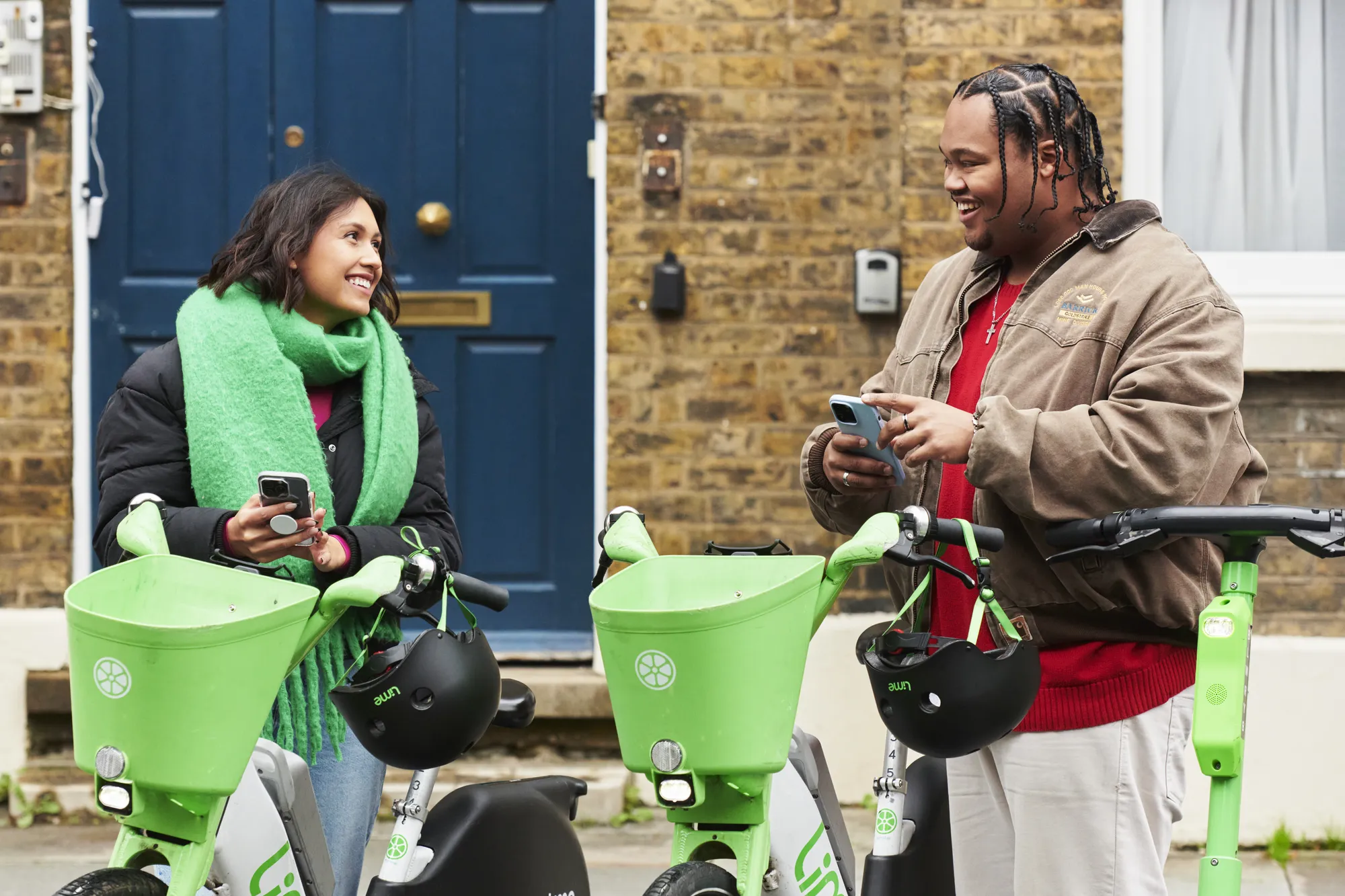
* Anyone who has used the bikes in the last 12 months


Bike share is growing very rapidly in the UK and brings multiple co-benefits with it. These include getting lapsed cyclists back into the saddle, boosting physical and mental health and inter-relating with public transport.
Research by CoMoUK in 2024, has found that 7.4 million short commutes in urban areas that are currently made by car could feasibly be made by shared e-bikes or e-scooters instead. If this change took place, around 1 million tonnes of greenhouse gas emissions could be saved each year, equivalent to 1% of the emissions currently resulting from domestic UK travel.

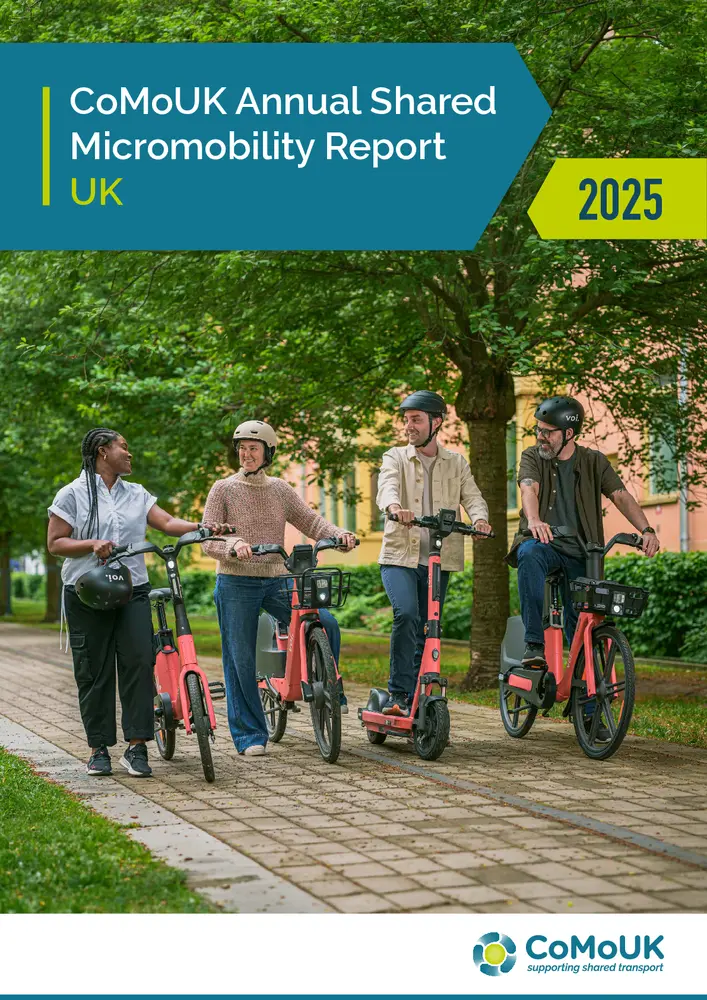
We have now published the UK's second Shared Micromobility Report, which you can also see below. Having analysed data from UK bike share users and operators since 2016; we now cover on shared bikes and e-scooters in a combined report.
We see continued growth in the sector, and crucial relationships between shared micromobility and active travel, public transport and private car use.
To find out more about the trends we have identified, you can download and read the report below.
While year upon year we consistently see an increase in membership and scheme usage where services remain in place, the potential that shared transport has to effect more meaningful change is limited by two key factors. The ability for services to be made available to prime users without provision and the need to address barriers to adoption from non-users.
In this report, CoMoUK has set out to understand more about users, non-users and the barriers faced to the spread of car clubs and bike share in Scotland.

Read more about the work being done at CoMoUK to improve the provision for disabled people within the world of shared transport.